Get to know The Port of Bergen
About Port of Bergen
The Port of Bergen has for many hundred years been one of Norway’s most important cities for trade, fishing, petroleum activities, ship technology, cruise tourism, and aquaculture. Today, Bergen is Norway’s second largest port, and it is one of the most popular cruise destinations in Northern Europe. Its key areas of focus are to promote sea transport and to manage, operate, and develop port facilities. The Port of Bergen is committed to the development of innovative and sustainable solutions for a more eco-friendly port. The company has about 50 employees, and its offices can be found at the Jekteviken Terminal in Bergen.
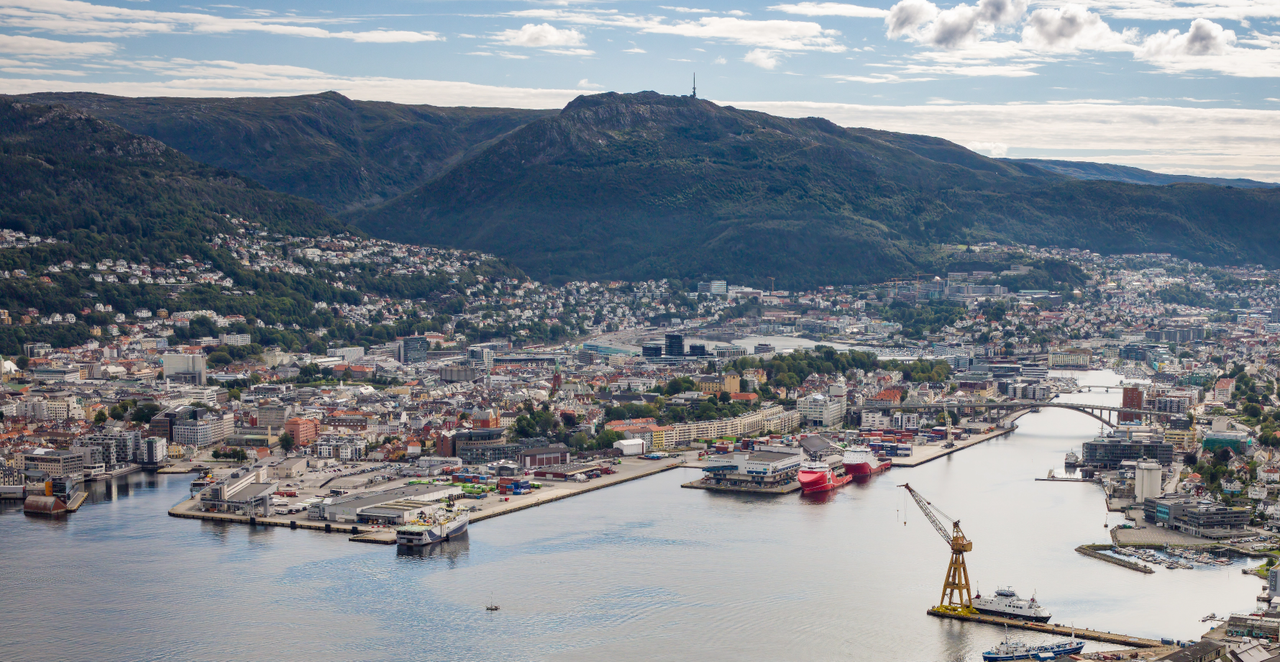
The Port of Bergen has a rich history dating back to the Middle Ages. It dates back to the founding of the city, in the 12th century. At that time, Bergen was an important trading city and a center for maritime activities in the region. In the 14th century, Bergen became a crucial base for the German Hanseatic League, a trading alliance that dominated trade in Northern Europe. Bergen Harbor became a hub for the trade of stockfish, grain, and other goods, leading to a significant need for port infrastructure to serve the growing commercial activities. Bryggen, an iconic part of Bergen, was established in the 14th century. It consisted of wooden buildings that served as trading houses and warehouses. Bryggen is now listed as a UNESCO World Heritage site. The port continued to grow and evolve throughout the centuries. In the 18th and 19th centuries, significant modernization efforts took place, including the construction of quays and dock facilities to accommodate the increasing ship traffic and cargo volume. Today, the Port of Bergen is a bustling port that serves both national and international shipping. The port plays a vital role as a hub for trade, passenger transport, the fishing industry, and offshore activities. The Port of Bergen also focuses on sustainability and environmentally friendly initiatives. There is a growing awareness of reducing the environmental impact and implementing green and energy-efficient solutions in port operations. Throughout history, the port has maintained its significance as an important port in Norway and a strategic hub for trade and maritime activities in the region.
Bergen is Norway's largest cruise port with around 300 cruise arrivals and between 600,000 and 700,000 passengers annually. Port of Bergen follows the city's decision to set a maximum limit of 8,000 passengers per day and four arrivals. The fourth arrival must be connected to shore power. Bergen has Europe's largest shore power facility for cruise ships. This means that three cruise ships can be connected to shore power simultaneously in the port. When a cruise ship connects to shore power, it means they switch off their diesel engines and remain emission-free in the harbor. This saves the city from emitting many tons of CO2.
Bergen is both the starting point and the final destination for the Coastal Route between Bergen and Kirkenes. Previously, only Hurtigruten operated this route, but in 2021, Havila and Hurtigruten were awarded contracts for the route between Bergen and Kirkenes. The route was then renamed from Hurtigruten to Kystruten.
The Port of Bergen aims to be an international, forward-thinking, and sustainable port. We support the United Nations' sustainable development goals, and we have prioritized the goals where we can make the greatest contributions as a port.
The Port of Bergen has developed the Environmental Port Index (EPI), which is a system for calculating environmentally differentiated port fees based on ships' emissions while they are in the port. By rewarding ships with the lowest emissions and thus the lowest environmental impact, the objective is to attract precisely these ships. EPI is now being used by 19 Norwegian ports, as well as the ports in Reykjavik and Lisbon. Please refer to www.epiport.org for more information.
Our mission
Port of Bergen’s social responsibility is to contribute to increased transport by sea, and to facilitate efficient, safe, and environmentally friendly port operations. As a designated port in the national pandemic preparedness and response plan, the Port of Bergen is tasked with specific duties during events that may have severe implications for international public health. Furthermore, the port infrastructure and its operation form part of the emergency preparedness and response system of the Norwegian Armed Forces. The cargo terminal in Bergen is a core network port and is one of seven designated Norwegian facilities with a special function in the comprehensive network.
The Port of Bergen aims to be an international, forward-looking, and sustainable harbor.
Values
Clear
We aim to be clear and aligned in all our internal and external communications.
Engaged
We strive to be proactive in the work we do.
Solution-oriented
We will always seek to find the best solutions, go the extra mile, and maintain a positive attitude toward challenges.
Goals

Ensure the port's future ability to maintain a solid and profitable economy through professional and active operations and development.
Strategic measures to achieve the goal:
- Develop new business areas
- Expand facilities for the coastal route and international passenger traffic
- Increase customer satisfaction and regularly measure it
- Ensure good financial management and business operations throughout the organization
- Foster a corporate culture where engaged employees strike a balance between commercial thinking and fulfilling important societal tasks
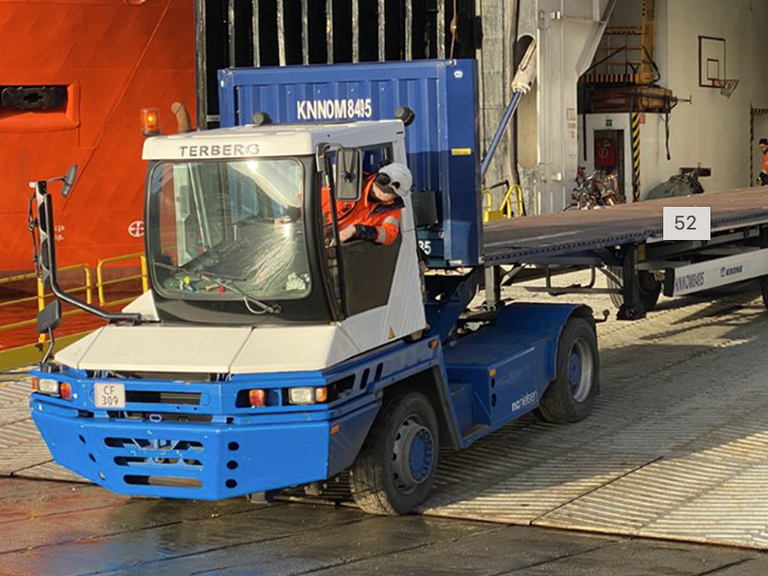
Further, develop the Port of Bergen as one of Europe's most innovative and sustainable ports. Piers, buildings, and infrastructure shall be appealing to customers, visitors, and residents.
Strategic measures to achieve the goal:
- Provide shore power to all types of ships and boats
- Further develop EPI for new types of vessels and more areas
- Demand emission-free solutions
- Environmental weighting in tenders
- Environmentally friendly port operations
- Upgrade port areas and terminal buildings
- Implement minimally intrusive port security measures (ISPS)
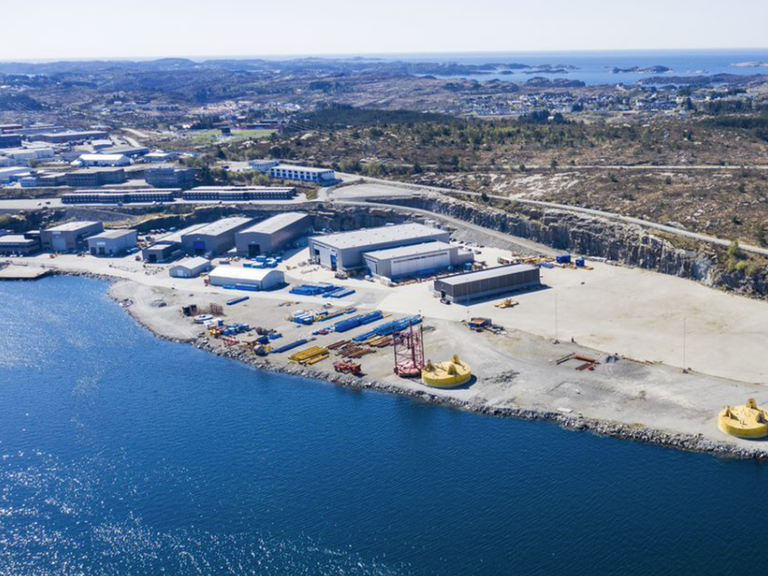
Ensure and execute the relocation of the cargo port from Dokken to Ågotnes. By establishing a new and forward-looking cargo port that facilitates autonomous solutions and zero emissions, the competitiveness of maritime transport in the region shall be strengthened."
Strategic measures to achieve the goal:
- Design and plan a future-oriented freight port in accordance with the users' needs
- Clarify the financial framework for the release of the current cargo port at Dokken
- Leverage synergies through co-location with CCB (Coastal Container Base)

More cargo over the quay will generate greater revenues for the Port of Bergen and contribute to achieving national goals for more environmentally friendly freight transport. With the new cargo port at Ågotnes, there will be opportunities to develop a modern and efficient freight transport system that will have positive ripple effects for the entire region.
Strategic measures to achieve the goal:
- Make the port attractive to freight stakeholders
- Engage in active marketing efforts
- Supplement the freight port at Ågotnes with public ports both in the north and south, such as Mongstad and Samnøy industrial areas in Bjørnafjorden
- Foster more collaboration with regional business councils
- Establish partnerships with the major ports
The Port of Bergen Management group






Øystein Grytøyr
HR/HSEQ Manager