Published: 26.06.26
Captured Hull Cleaning Could Become the New Standard
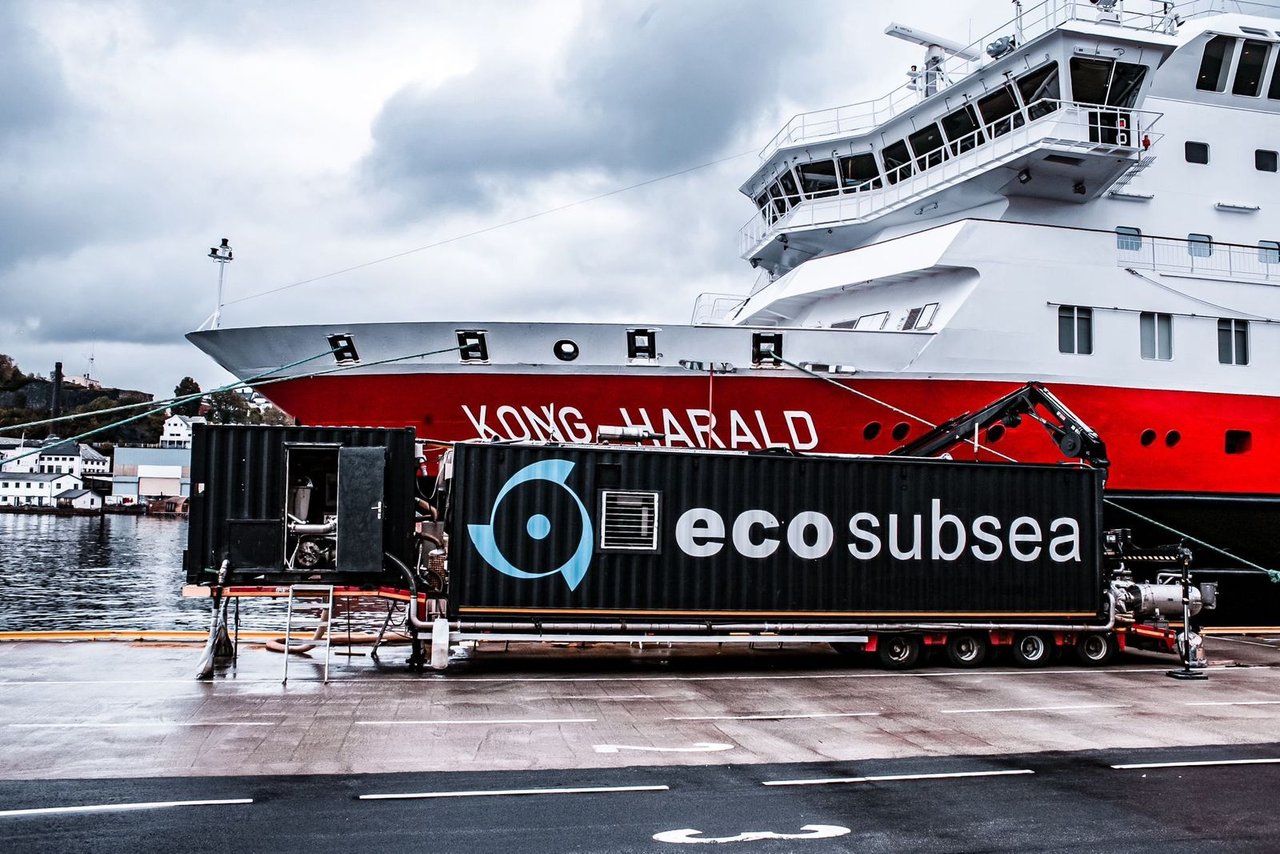
Captured hull cleaning has delivered significant environmental benefits in the Port of Bergen. At the same time, a new pilot study by the Port of Bergen, the Norwegian Institute for Water Research (NIVA), and DNV could lay the foundation for future requirements for hull cleaning—both in Norway and internationally.
Figures from Eco Subsea show that the company's capture-enabled hull cleaning operations in the Port of Bergen collected 4.1 tonnes of biological material in 2025 that would otherwise have been released into the marine environment. According to the company's calculations, cleaner hulls also resulted in an estimated 6,900 tonnes of fuel savings and approximately 21,454 tonnes of CO₂ emissions avoided.
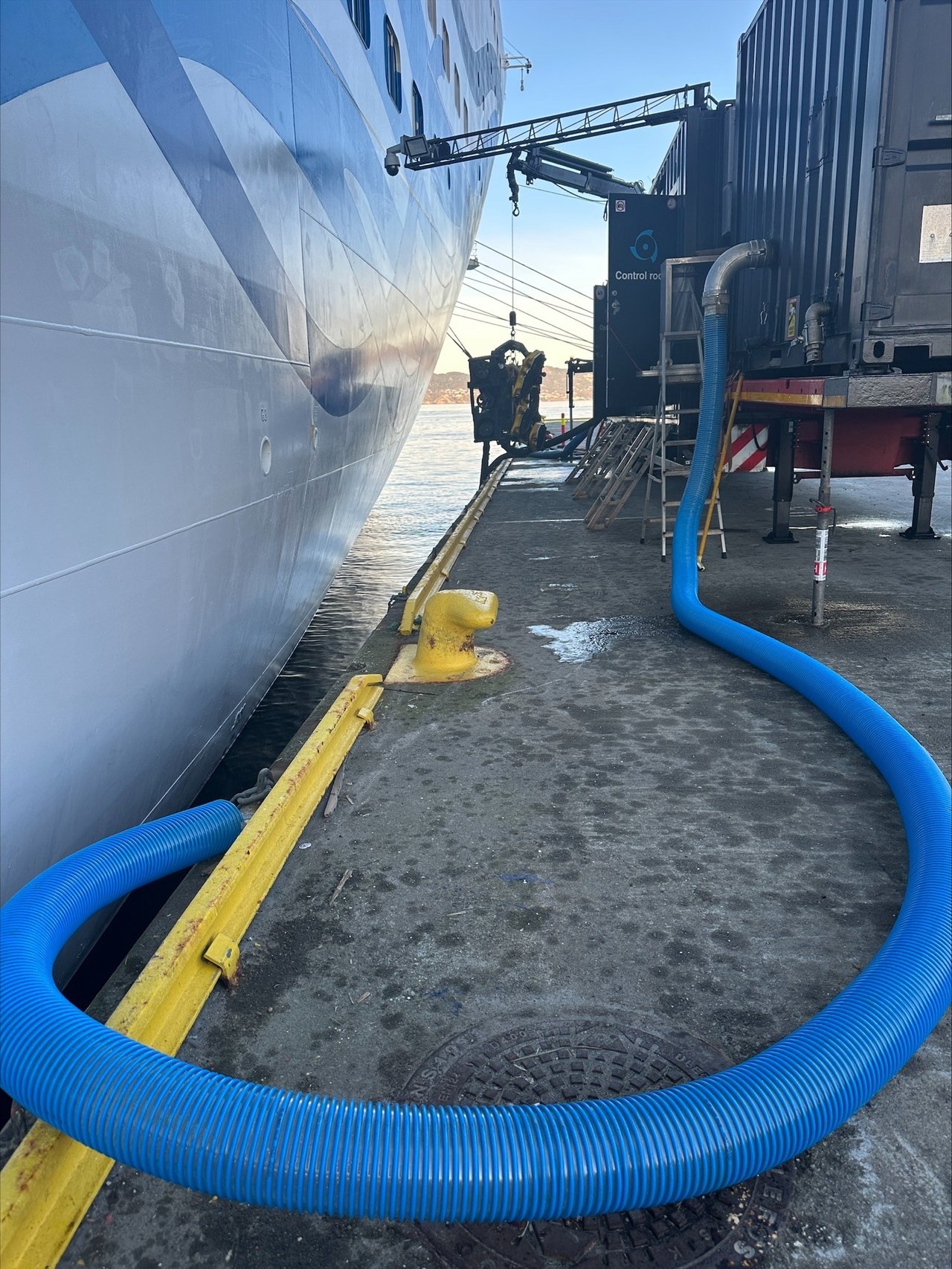
"When vessels remain in the water for extended periods, barnacles, algae and other marine organisms accumulate on the hull. If this material is simply washed back into the sea, it can contribute to the spread of invasive species, such as the notorious sea squirt Styela clava, which has spread rapidly along the Norwegian coast. At the same time, fouled hulls increase fuel consumption," says Jørn Erik Hausmann of the Port of Bergen, who served as the project's manager during the pilot study.
For this reason, the Port of Bergen only permits hull cleaning when the removed material is captured in a closed containment system.
"The objective is not to stop hull cleaning altogether, but to prevent invasive species from establishing themselves in new locations. At the same time, we want to make compliance easier for the maritime industry. If more ports adopt similar requirements for closed-loop hull cleaning, we will achieve a safer and more predictable practice along the coastline," says Tor Mario Auran, Head of Sustainability at the Port of Bergen.
Towards Common Standards
Although the Port of Bergen has already introduced a requirement for capture-enabled hull cleaning, there is currently no standardized method for documenting how effectively different systems perform.
To address this gap, the Port of Bergen, the Norwegian Institute for Water Research (NIVA), and DNV have carried out a pilot study to develop a new testing methodology for hull cleaning with capture. The method measures how effectively cleaning systems collect particles, microplastics, and biological material during the cleaning process.
"Today, there are several different capture-enabled hull cleaning solutions on the market, but there has been no common way of documenting their performance. This test method provides a tool that can make it easier to establish clear requirements and compare different solutions," says Hausmann.
Based on the findings of the pilot study, DNV proposes, among other recommendations, that at least 80 percent of particles should be captured during hull cleaning. At the same time, the report emphasizes that this benchmark should become more ambitious as technology continues to advance.
Hausmann hopes that the experience gained in Bergen will have an impact beyond Norway.
"Ships operate between ports all over the world. If we are to reduce the risk of spreading invasive species while also supporting efficient maritime operations, we need common standards. We hope that the work carried out in Bergen can be an important step in that direction."
If adopted by authorities and ports, the new test methodology could form the basis for future national and international requirements for hull cleaning.
Recommended news articles

Published: 18.02.26
Bergen Cruise Network established
Bergen Cruise Network is a new collaboration between tourism stakeholders, initiated by the Port of Bergen in partnership with Visit Bergen, Bergen Sentrum, the Municipality of Bergen, and Vestland County Council. The goal is clear: to create land-based and sustainable development linked to cruise traffic and to ensure that a greater share of the value creation remains local – in Bergen and the surrounding region.
Published: 19.12.25
Change in Routine for Collection of Passage Fees
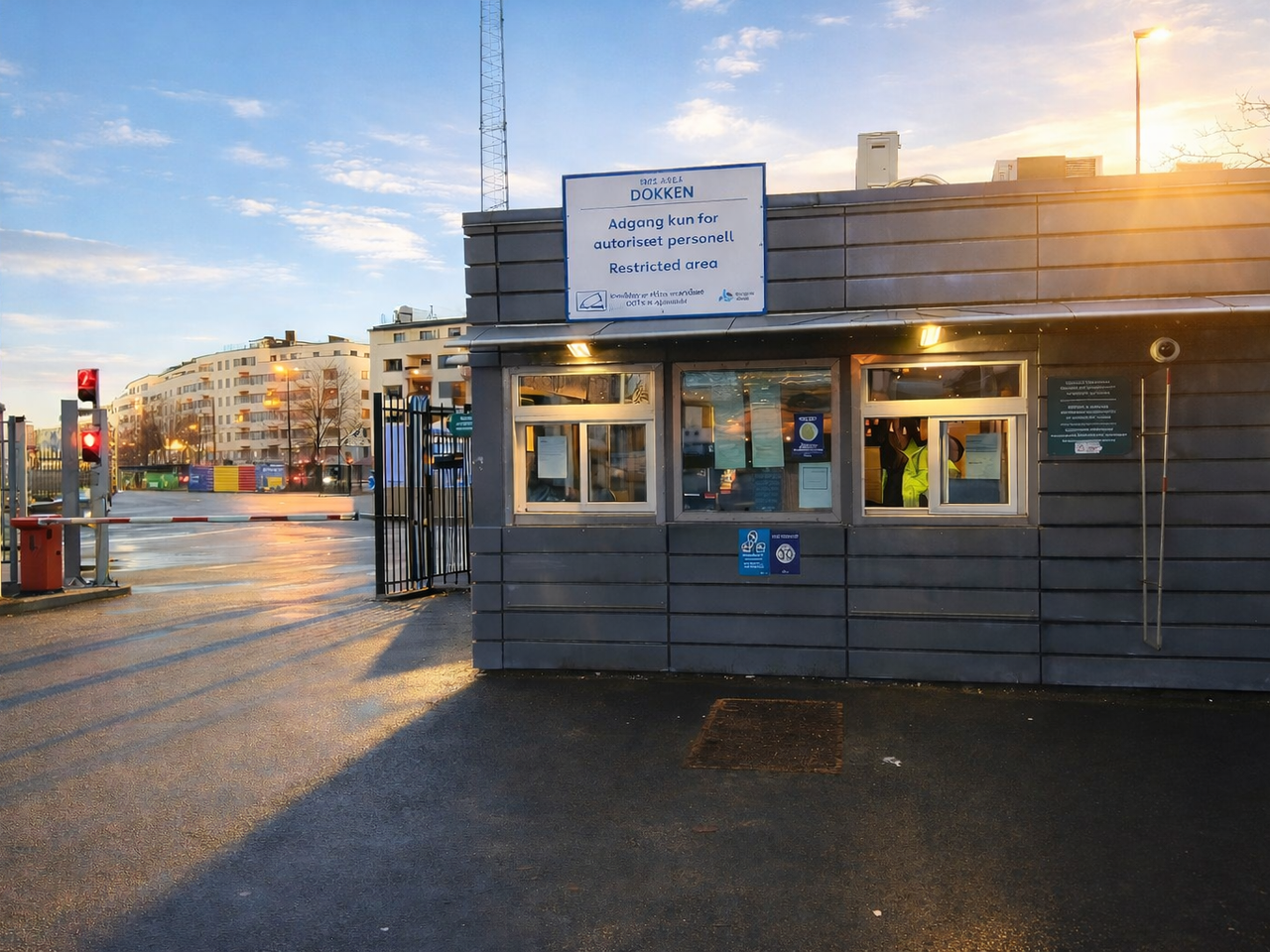
1 February 2026, we will make changes to our routines for the collection of passage fees for facilities at Dokken and Skolten. To ensure a better process for collection and payment, Vestpark will perform this service on our behalf. This means that from 1 February 2026, Vestpark will handle the registration of passages and the issuing of invoices.
Published: 18.12.25
Båtmann Stasjonen become a part of the Port of Bergen
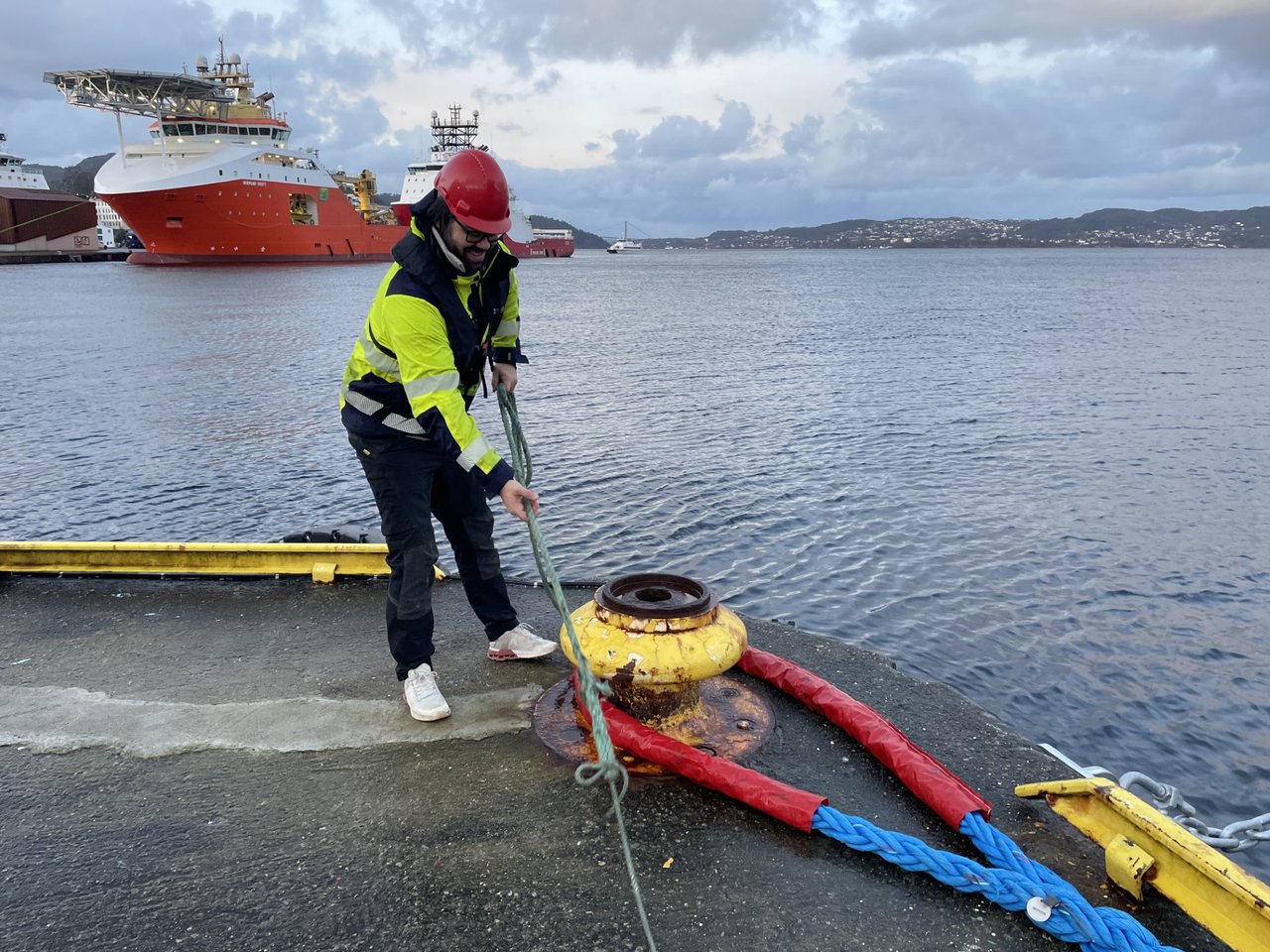
The mooring company Båtmann Stasjonen and Bergen Port Authority have entered into an agreement under which Båtmann Stasjonen’s operations will continue as an integrated part of Bergen Port Authority’s service offering. The agreement entails the winding up of the company Båtmann Stasjonen, with Bergen Port Authority taking over both employees and operations as of January 1st